RankGarde manger
FY 2025–26 Impact Report

Do you know what happens in our kitchens?

Explore Kitchens for Good's impact through 2026, and hear some of our stories.

1 One mission, many paths

Food is the tool. A good life is the goal.

For more than a decade, Kitchens for Good has used food to help people build skills, careers, and steadier finances in San Diego.

Along the way the team learned that change doesn't come in one size. Some people need a job. Some need paid practice before a job. Some want to build a business of their own. So this year the program grew in all three directions: stronger links from training to work, more paid work experience, a bigger food entrepreneur program, and a permanent building to hold it all.

Guess 1 of 8
How many people took part in Kitchens for Good programs this year?

260 people. That's apprentices learning to cook professionally plus food entrepreneurs building their own businesses. This report is about what changed for them, which matters more than the headcount.

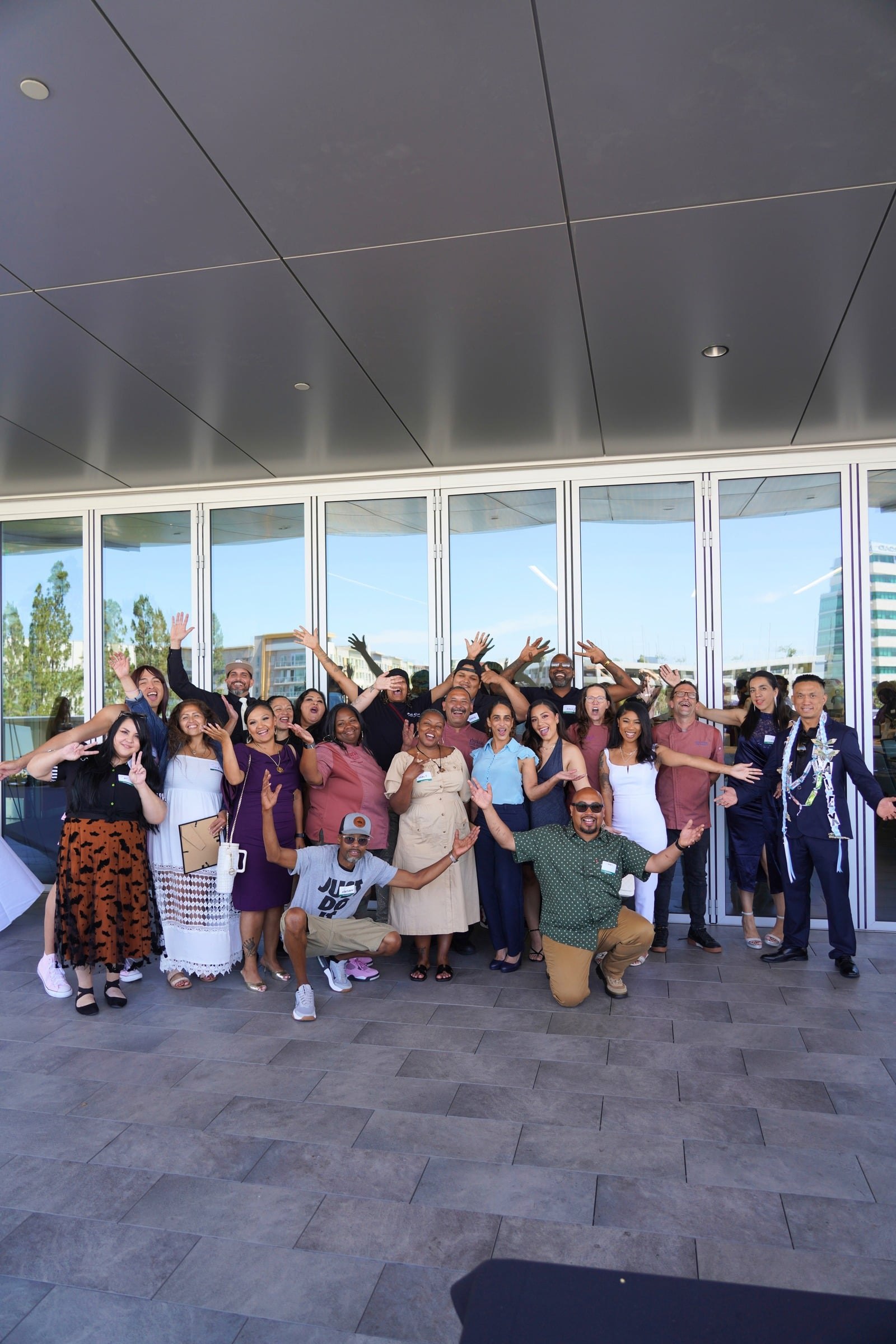
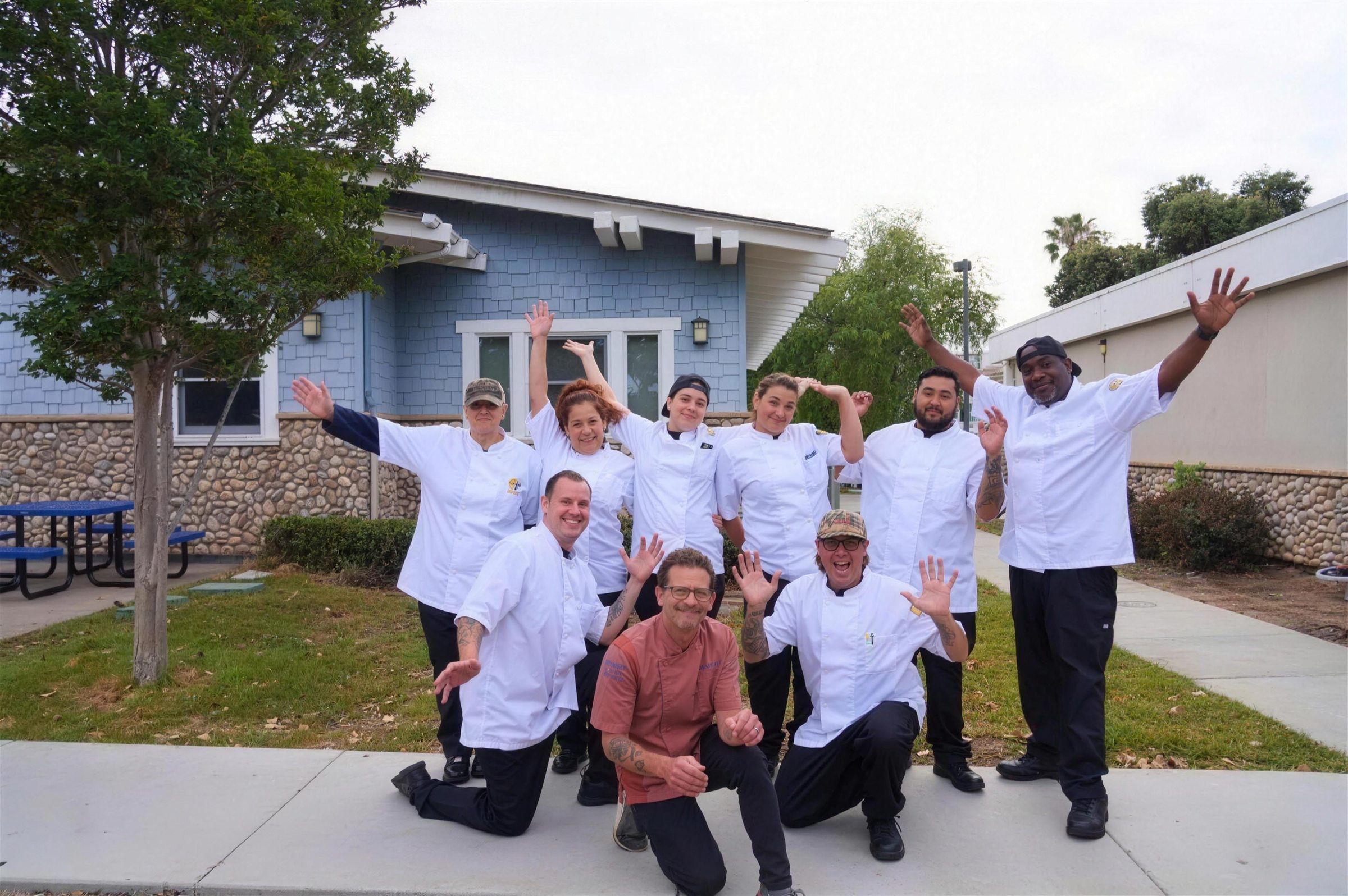
Kitchens for Good apprentices and staff cheering together outside

Before you can understand where people went, you need to see where they started.

2 Where people are starting

Picture 100 people walking through the door.

Every one of them is on a low income. Most face more than one barrier at once, and each barrier makes the others harder to clear.

Guess 2 of 8 · within 10 points counts
Out of 100 participants, how many were out of work or underemployed when they arrived?
50

87 out of 100. Most people arrive without steady work, which is why the program pays people while they train instead of asking them to give up income to learn.

Each dot is one of 100 participants. The report gives each share on its own, so the overlap between barriers here is illustrative.

100%

are low-income

3 Impact at a glance

This year, in numbers.

Hover over any number (or tap it) to see what's behind it.

Behind each number is a person with their own idea of progress*

* progress noun
Whatever each person decides it is. The team doesn't define success for people. It builds the tools, opportunities and support for them to pursue it.
4 More than a job

A job is a step. What it unlocks is the point.

Most job programs stop counting once someone is hired. Kitchens for Good keeps asking: did that job bring more skill, more income, more stability, more confidence, more choices?

Early results from the apprentice impact survey:

Guess 3 of 8
Of apprentices surveyed, what share were employed?

88%. Remember, 87% came in out of work or underemployed. That's close to a full reversal.

88%were employedThe baseline. Steady work is what makes the rest possible.
75%moved into a higher-skilled roleNot just any job. A better one than before, which is how pay grows.
92%rated job-readiness confidence "much better"Confidence is what keeps someone in a job when a shift goes badly.

I love the way this program helped me regain my confidence and helped me mentally prepare to work out in culinary industry.Kitchens for Good apprentice

Participants also described changes standard workforce numbers miss: more stability, a stronger sense of connection, and a belief in their future.

5 Kat's story

From the kitchen to her own front door.

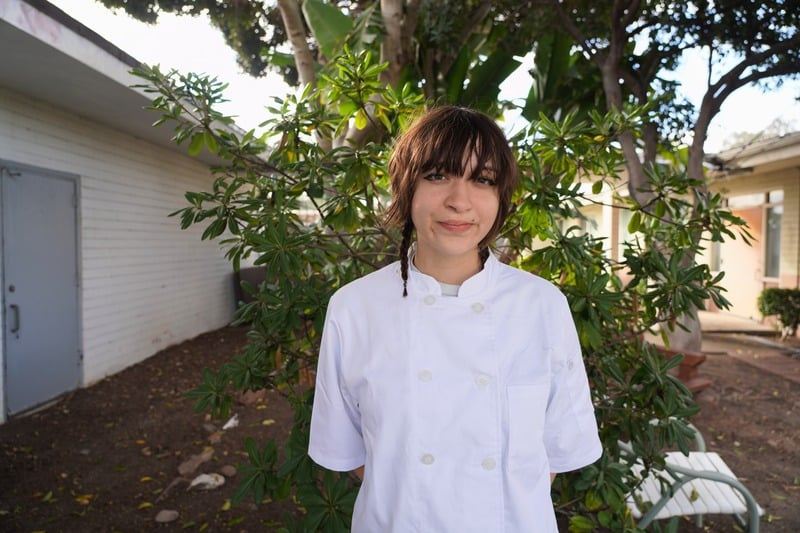
Kat was 23, loved food, and lived in transitional housing for young adults. She had nine months to find a new place to live. Step through what happened.

Kat in chef whites, standing outside under a tree
Kat, Culinary Apprenticeship
    Guess 4 of 8
    Kat interviewed for a prep cook job with a partner employer. What did they hire her as?

    Pastry chef. The employer saw what she really loved and matched her to it. Employer partners who know the apprentices make placements like that possible.

    A culinary career takes skill. Keeping it, and moving up, takes much more.

    6 The apprenticeship path

    Learn. Practice. Earn. Advance.

    The apprenticeship is built as a ladder. Hover over (or tap) each rung to see what happens there, what it produced this year, and why it's there.

    Halfway snack · 1 player

    Welcome to the kitchen.

    You're halfway through our impact report. Seemed like a good time for a little snack.

    Play the path an apprentice takes: no job, free training, a 12-week paid internship, the final test, the job board, day one. About a minute. Every number comes from this year's report.

    7 Paid work experience

    The bridge between training and a job.

    For some apprentices, the jump from class straight into an outside kitchen was too big. Paid transitional on-the-job training gives them more time to build skills in a supported setting, and a paycheck while they do it.

    This year 57 apprentices took part. 31 trained inside Kitchens for Good's meal contract operations, in a working production kitchen.

    Guess 5 of 8
    How much did apprentices earn in paid on-the-job training this year?

    $123,520, paid straight to apprentices for more than 6,744 hours of work. For someone with no income, getting paid to learn is often what makes it possible to stay in the program.

    $123,520÷6,744 hours≈$18 an houron average, while learning.

    Not everyone needs a job. Some people need to build a business around their life.

    8 Food entrepreneurs

    A business around a life, not a life around a job.

    For many people, especially women caring for kids or family, a fixed work schedule just doesn't fit. Running a food business can: income and independence on terms that match real life.

    That idea shaped the food entrepreneur program, and its first full year showed how much demand there was.

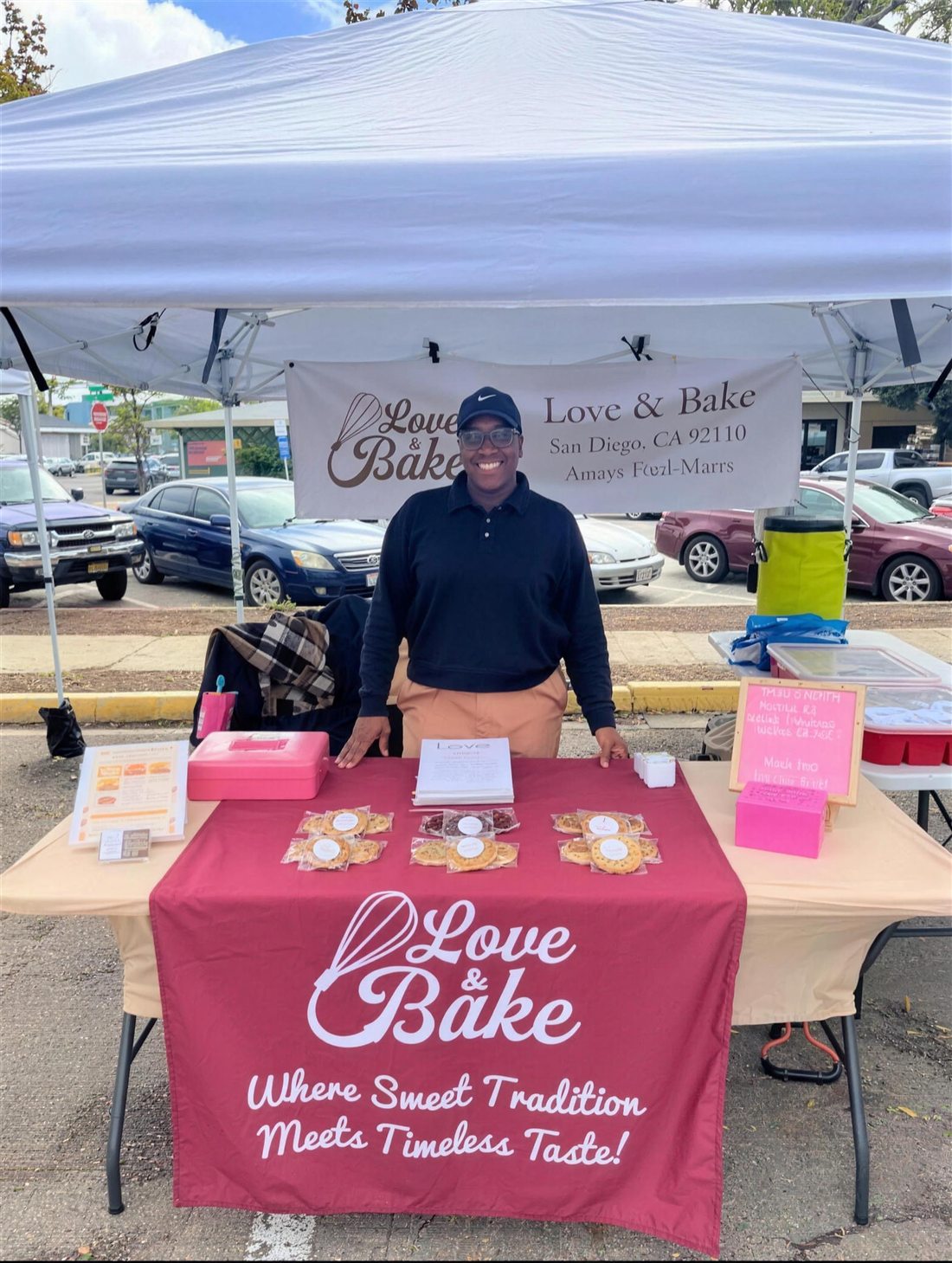
    Amaya Ford Mars at her Love and Bake market stand
    Amaya Ford Mars, Love and Bake

    I was a single mom, so I asked myself, what do I want to do to provide for my daughter outside of working at this place? I realized I could do my own business.Amaya Ford Mars · Love and Bake

    From a recipe to a business
    1 · Make it
    The masa has to be the same every batch.
    2 · Package it
    Wrapped, labeled and ready to sell.
    3 · Brand it
    Then a logo, so customers come back for it by name.
    39entrepreneurs supported
    29earning revenue
    26active permitted businesses
    9new businesses launched
    17existing businesses expanded
    Guess 6 of 8 · within 10 points counts
    What percentage of entrepreneur participants were women?
    50

    62%. The program was designed with caregivers in mind, and they showed up.

    9 It takes more than a recipe

    Great food is the easy part.

    Starting a food business means dozens of decisions that have nothing to do with the recipe. Tap each card to see what an entrepreneur is up against.

    0 of 8 opened

    Entrepreneurs don't just need information. They need one-on-one help applying it to their own business.

    10 What this year taught us

    The organization has to grow, too.

    The programs are meant to fit people's needs, not make people fit the program. That means noticing when something isn't working, listening, and changing course.

    Progress doesn't look the same for everyone.

    26 apprentices finished every requirement to formally graduate. Others got hired before reaching that milestone, which is a win, not a dropout. So the team is building clearer paths from training to paid OJT, to employment, to continued growth.

    Early impact data shows progress beyond completion:

    75%reported greater financial and housing stability
    88%reported better mental wellness and stronger support systems

    Listening makes the programs stronger.

    Apprentice feedback led to more practice time, better blending of kitchen and workplace skills, and a redesigned Career Readiness course. The results:

    found Career Readiness beneficial95%
    said the training pace was "just right"88%
    felt confident using the skills they learned97%
    11 Chevante's story

    From apprentice to leader.

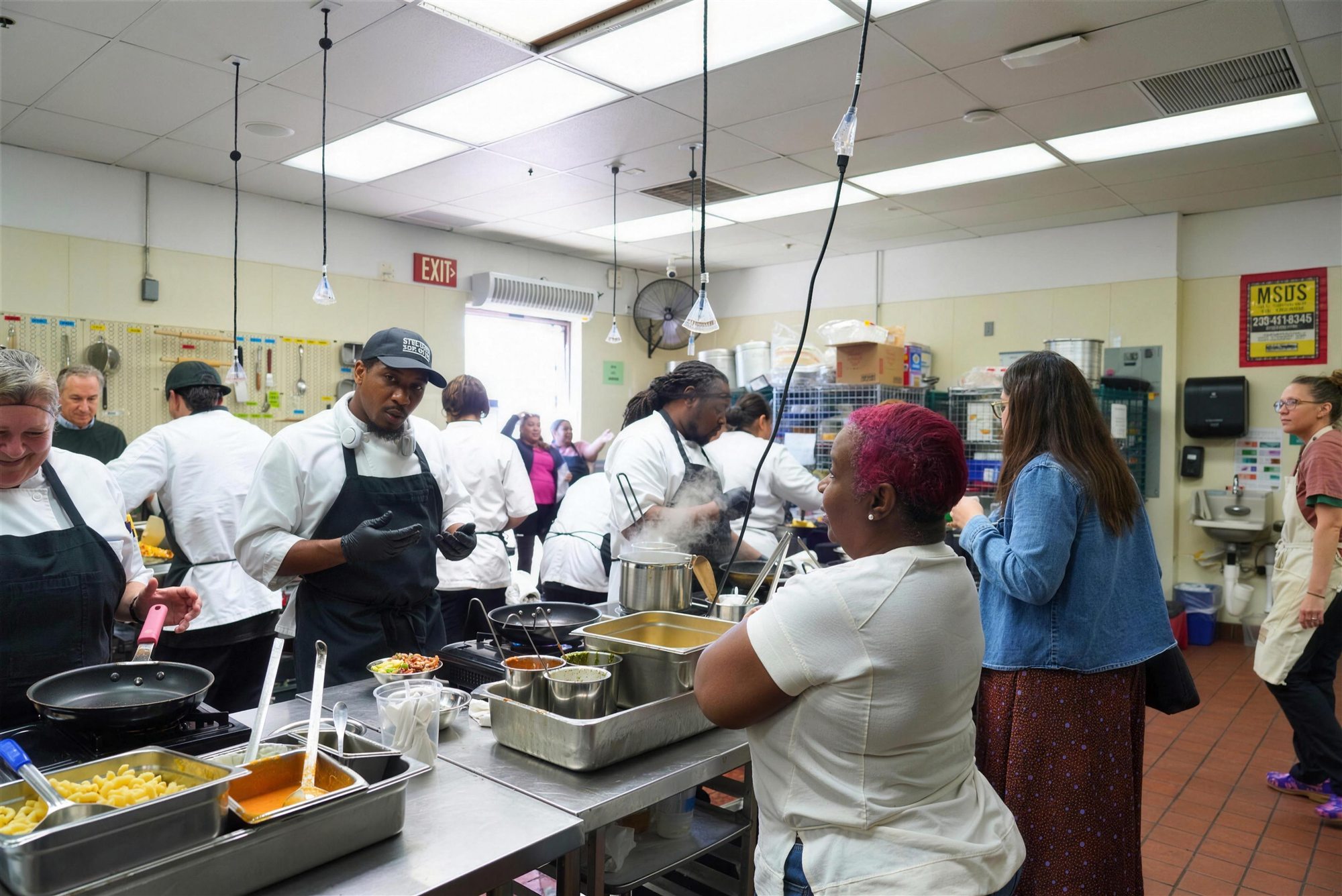
    Chevante joined in 2025 with one clear goal: build his culinary skills and make a career of it. Four steps took him further than that.

    Chevante at work in a busy commercial kitchen
    Chevante, now a Head Chef
      Guess 7 of 8
      After he was promoted to Head Chef, what did Chevante do?

      He hired a Kitchens for Good apprentice for his own team. Today he isn't only building his own career. He's opening the door for someone else.

      This year's biggest limit wasn't money or people. It was walls.

      12 The Culinary Impact Center

      One home. More paths forward.

      Limited space squeezed kitchen time for entrepreneurs, apprentice workshops, even class schedules. Too often the programs had to fit the building.

      In 2026, Kitchens for Good bought a permanent home in Bankers Hill. It will become the Culinary Impact Center, with training, paid work, entrepreneurship, meal production and support services under one roof.

      Guess 8 of 8
      Next year's goal: how many prepared meals for San Diegans facing food insecurity?

      More than 130,000 meals, cooked by about 40 apprentices training in paid, supported roles. The new building is what makes that volume possible.

      Aerial view of the future Culinary Impact Center building in Bankers Hill, with downtown San Diego behind it
      The future Culinary Impact Center, Bankers Hill
      LEARN WORK BUILD NOURISH ONE HOME

      Simplified diagram of the four uses, not the actual floor plan.

      Coming soon · City Heights The Collective A shared kitchen and café where new food entrepreneurs can make, test, sell, learn, and grow.
      13 Growing deeper

      How many more people did you serve?

      How much more becomes possible for each person?

      Nonprofits are usually measured by the first question. Kitchens for Good thinks the second matters just as much. This year 260 people came through the apprenticeship and entrepreneur programs, and the real impact shows up in what happened next:

      New skillsWages earnedHigher-skilled workGrowing businessesGreater stabilityConfidence
      A group of Kitchens for Good apprentices in chef whites cheering outside
      In their words

      People, not statistics.

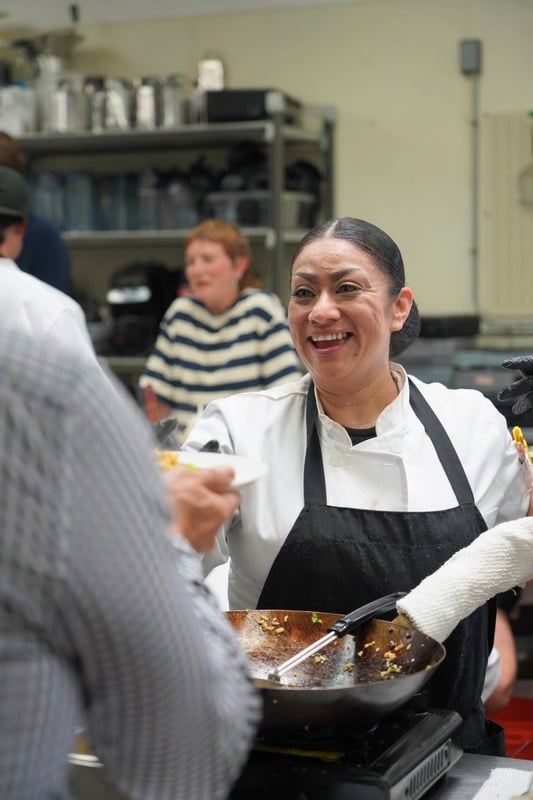
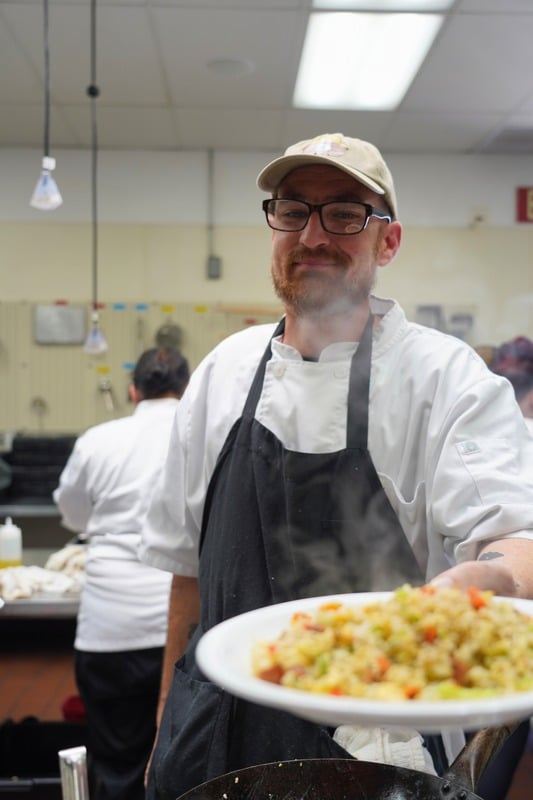
      Kitchens for Good apprentice
      A smiling apprentice holds up a plate in the kitchen
      An apprentice in glasses and a cap presents a plated dish

      The numbers are this year's. The people are why they matter.

      The film

      Learn more about our impact.

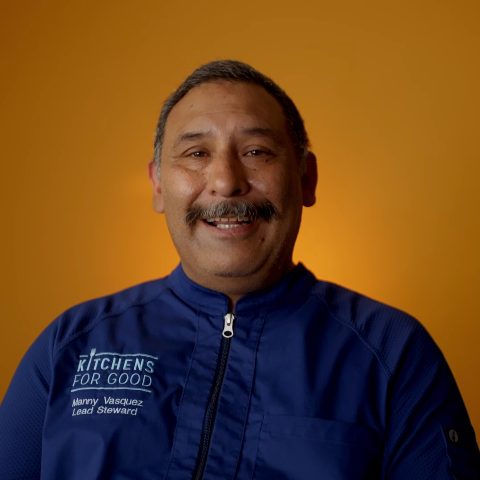
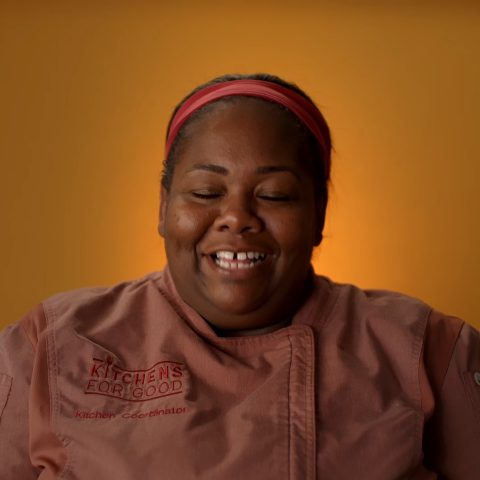
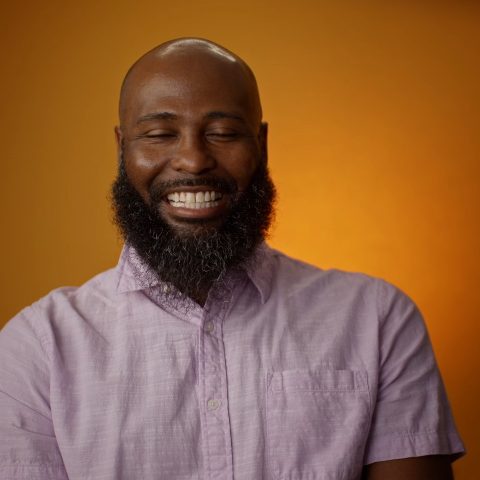
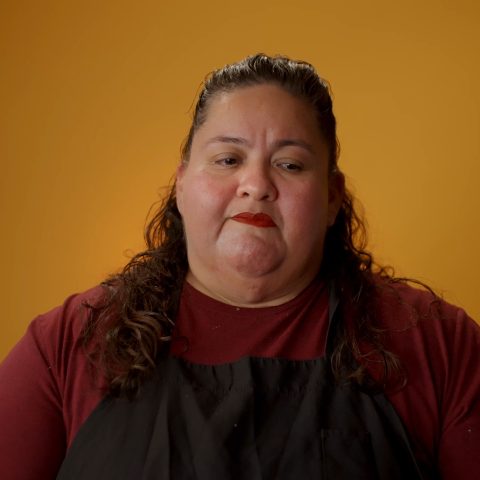
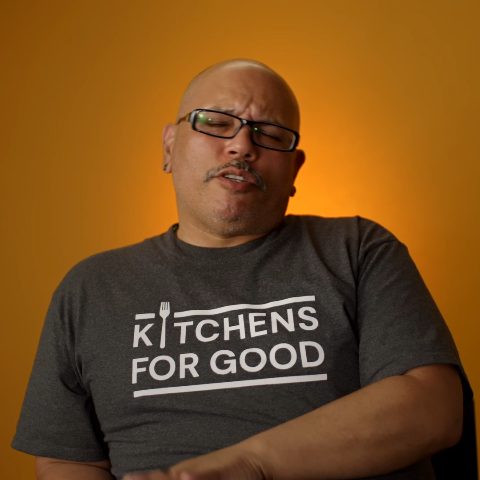
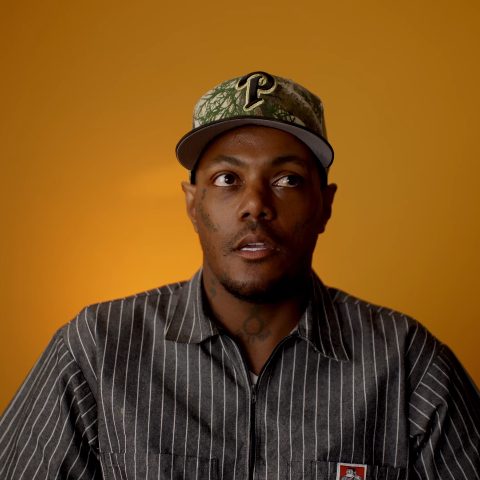
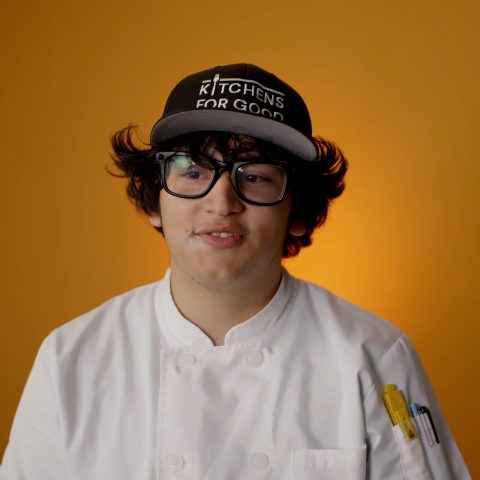
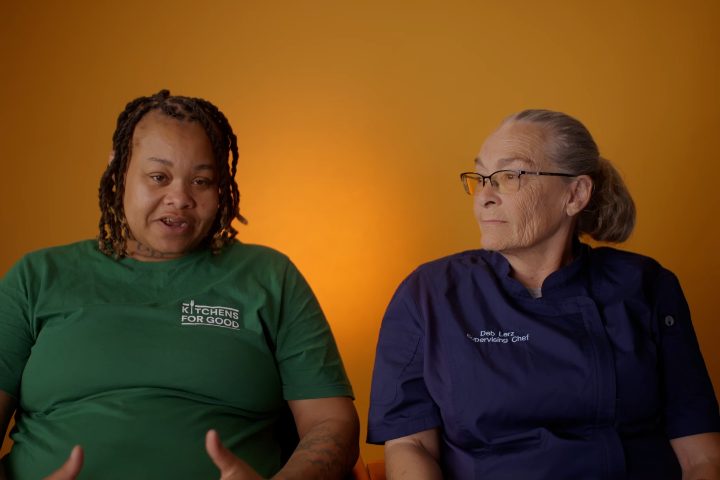
      The report shows the numbers. The film shows the people behind them.

      Meet them in the film
      Manny
      Manny
      Iva
      Iva
      David
      David
      Faith
      Faith
      Isa
      Isa
      Michael
      Michael
      Tyreese
      Tyreese
      Ronnie
      Ronnie
      Deb and Cali
      Deb & Cali

      Thank you to our donors and supporters.

      Your belief in this mission creates real chances for people to learn, grow, and build brighter futures.

      Learn more about Kitchens for Good

      (619) 450-4040 · @kitchensforgood